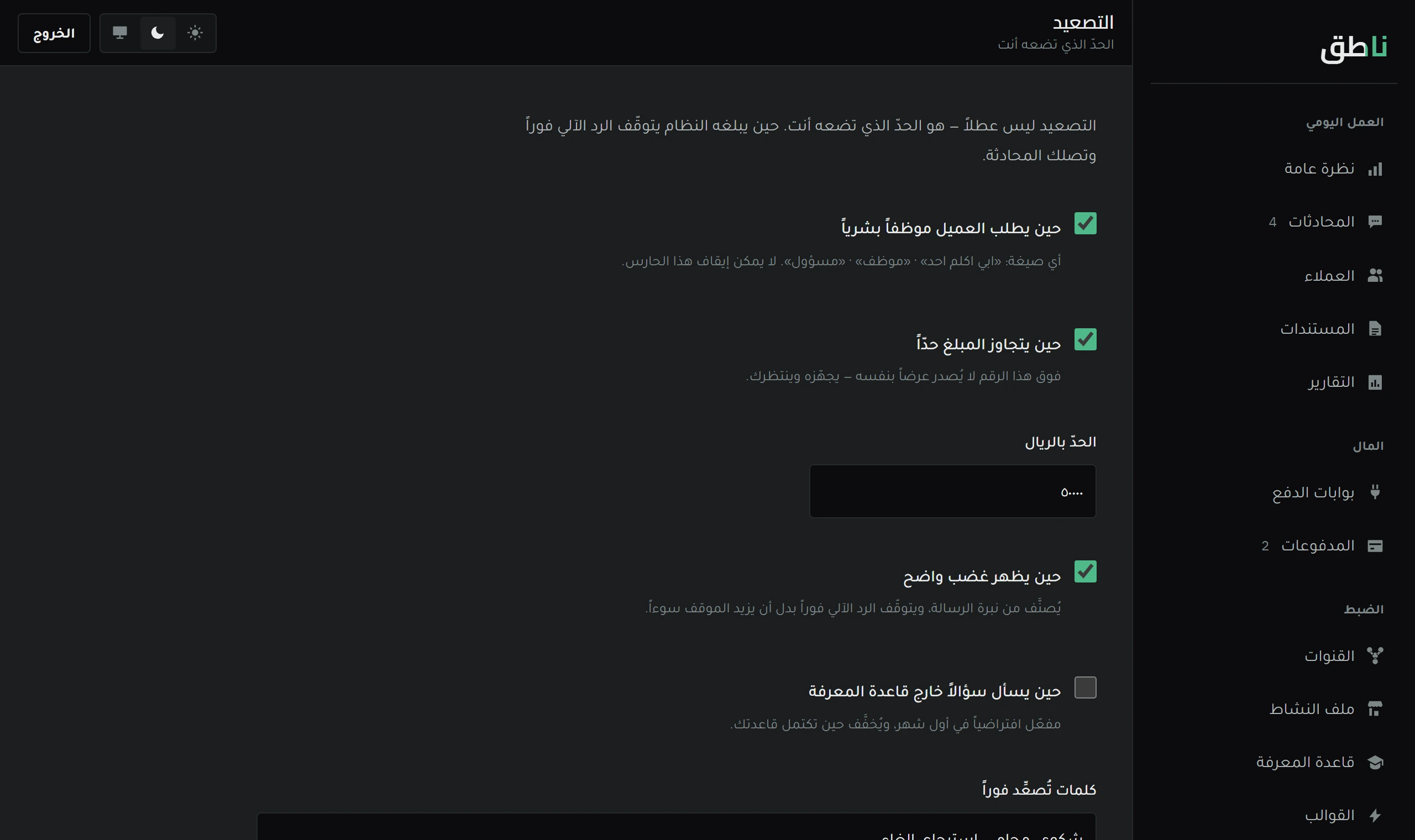
Escalation rules — when the system stops and calls you
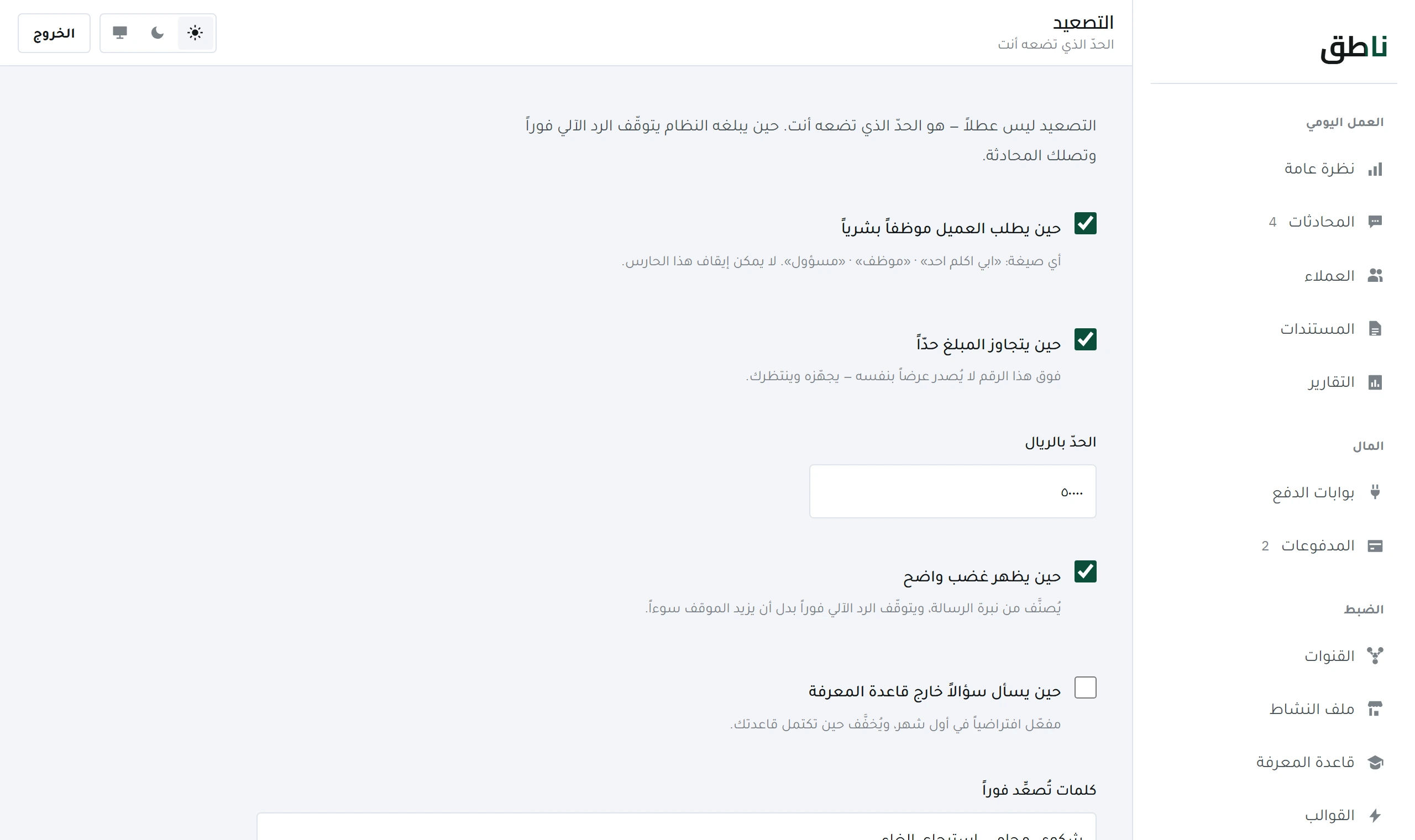
Escalation is not a failure but a guard. What stops the system and hands over to you, and how to tune it without turning everything into an escalation.
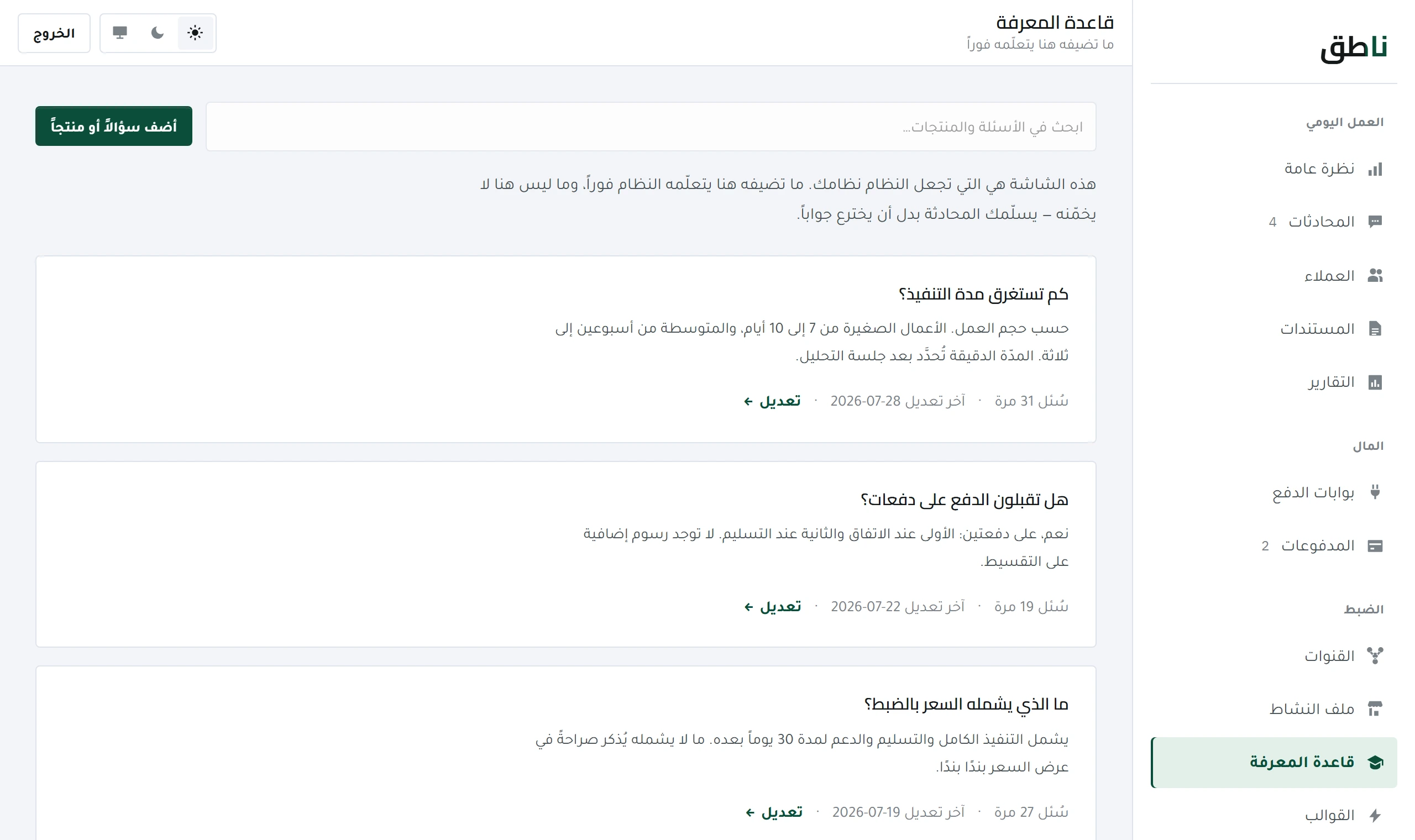
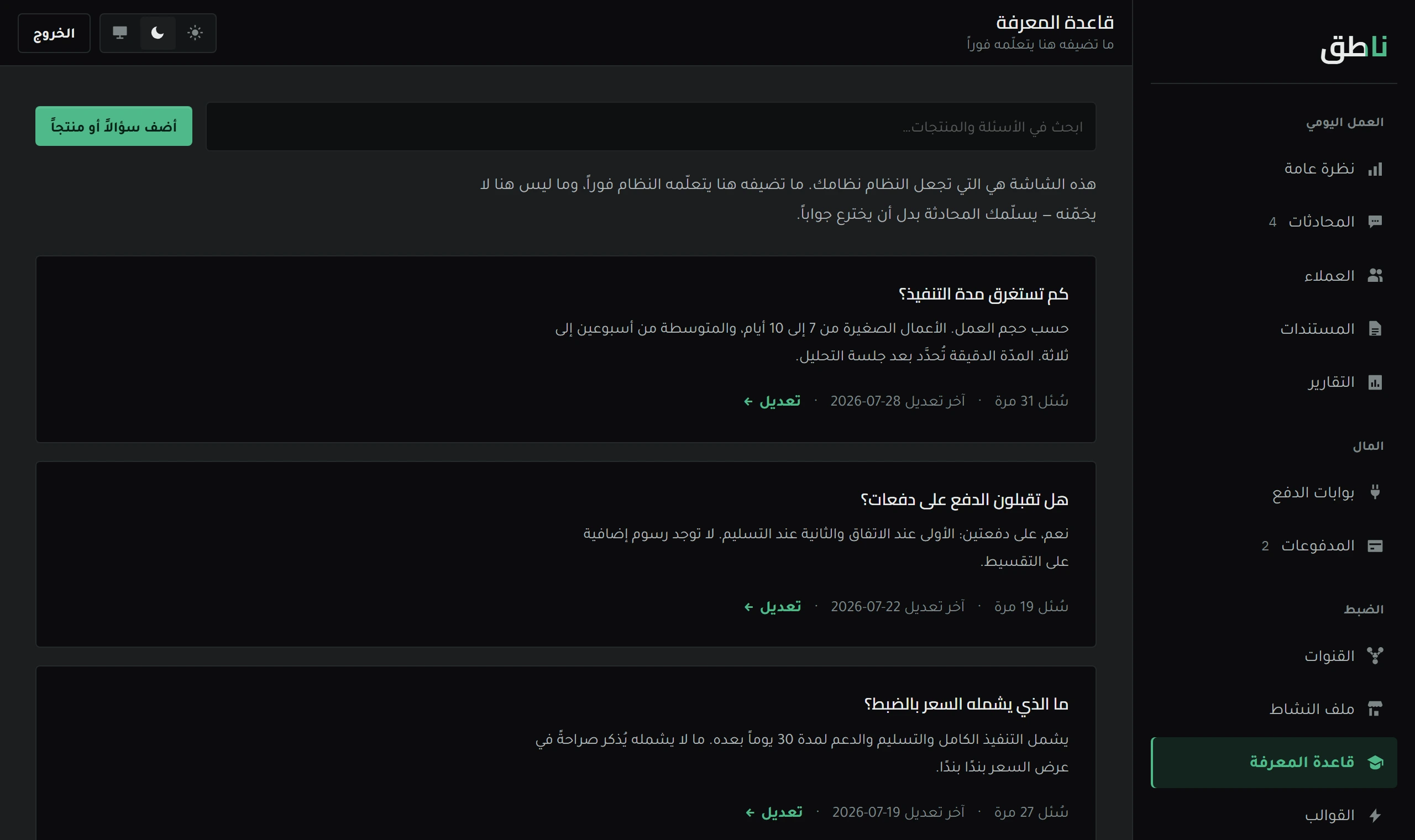
What determines reply quality most is not the model but what it knows about your business. How to write an entry, and what must never go in here.
Tuning and quality · 8 min read
What determines reply quality most is not the model or its size — it is what the system knows about your business. Two systems on the same model, one with a well-written knowledge base and one with a generic one, reply completely differently.
This lesson explains how an entry is written, what must never go in here at all, and why the date sits next to every entry.
Every entry must be an answer to a question a customer actually asked you. If you cannot name that question, the entry is not knowledge — it is an introduction to yourself.
| Instead of writing | Write |
|---|---|
| «We are a leading company in our field» | «We serve e-commerce stores and clinics in Saudi Arabia» |
| «Our prices are competitive» | «Setup is SAR 15,000, subscription SAR 900 monthly» |
| «We are committed to the highest quality standards» | «Delivery is 30–45 days from contract signature» |
| «Outstanding customer service» | «Support runs 9am to 6pm, with emergencies outside it» |
And the difference is not stylistic: nothing can be built on the left column. When the customer asks «how much?» the system finds nothing to say in «competitive», so it escalates to you a question that could have been answered.
A price that changes with quantity or duration belongs in the business profile, not the knowledge base — because the arithmetic is done by the code, and a model that does arithmetic is a model that sometimes gets the sum wrong.
A special price or an individual agreement goes in that customer's record. Putting it in the shared knowledge means every customer might hear it.
Your margins, your costs and your suppliers' names are not the system's to say. The simple rule: do not write here anything you would not accept reading in a conversation.
«We guarantee complete satisfaction» becomes a commitment the system utters in front of a customer who will hold you to it.
An old entry does not look old in a reply. The system states last year's price with exactly the confidence it states today's, and nothing in the sentence hints that it is stale.
Which is why the date is visible: a monthly review of the five oldest entries is usually enough. And three things go stale most silently — prices, timelines, and service names after a rename.
Its effect shows only in the conversations that follow it. So do not measure an addition by conversations that happened before it — that is the most common reason for thinking a change «did nothing».
And whatever stays unanswered here becomes an escalation — so the next lesson is escalation rules.
Write it as an answer to a real question a customer actually asked you, in short sentences with explicit numbers. An entry that opens with «we are a leading company» answers nothing, and the system cannot build a reply on it.
Fixed prices, yes. Anything computed by a formula — a price that changes with quantity or duration — belongs in the business profile, not the knowledge base, because the arithmetic must be done by the code and not by the model.
Escalation is not a failure but a guard. What stops the system and hands over to you, and how to tune it without turning everything into an escalation.
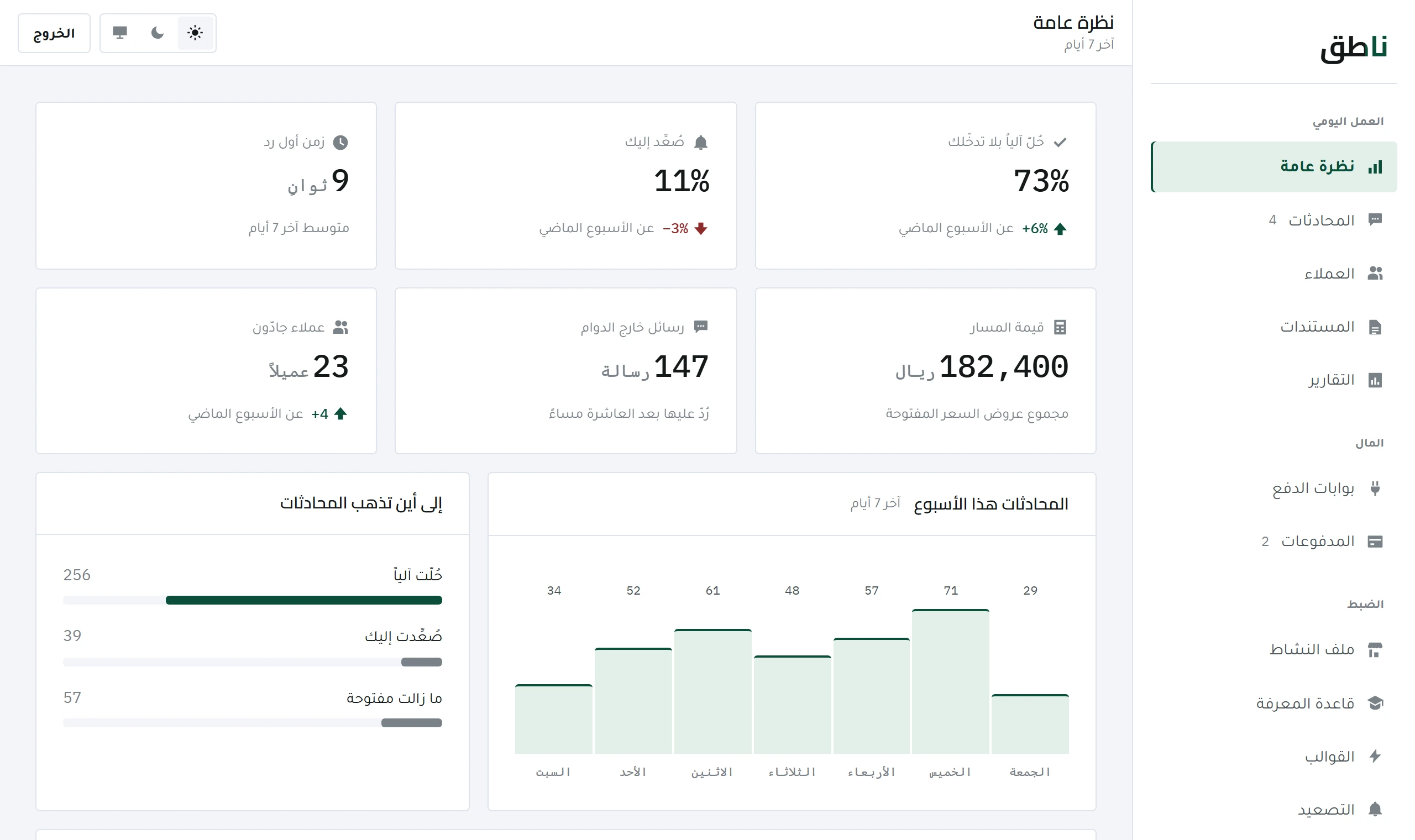
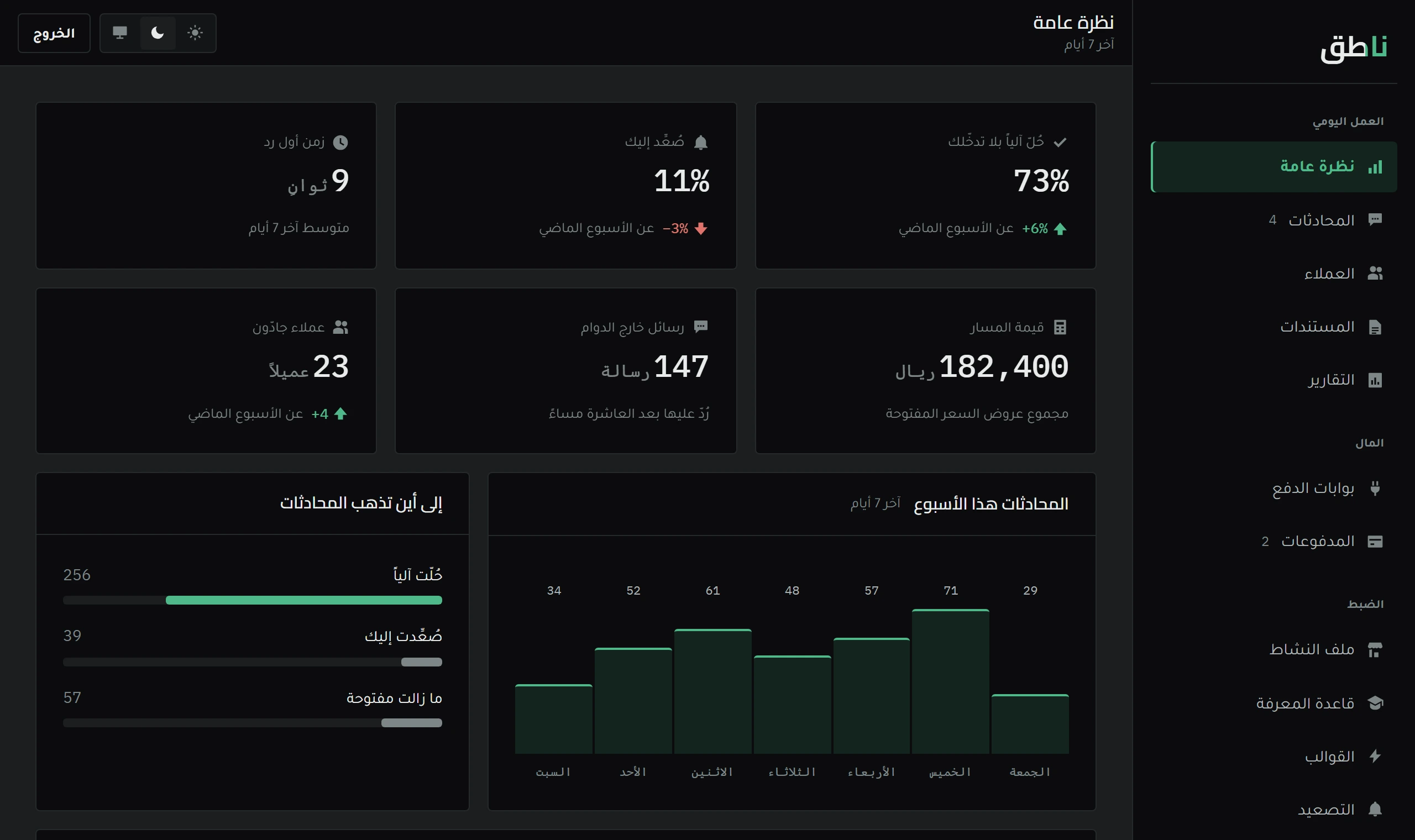
Four numbers at the top of the dashboard carry your first week: automated resolution rate, escalation rate, first-reply time and pipeline value.